
Fieldwork Friday
Reading, Writing, and Arithmetic

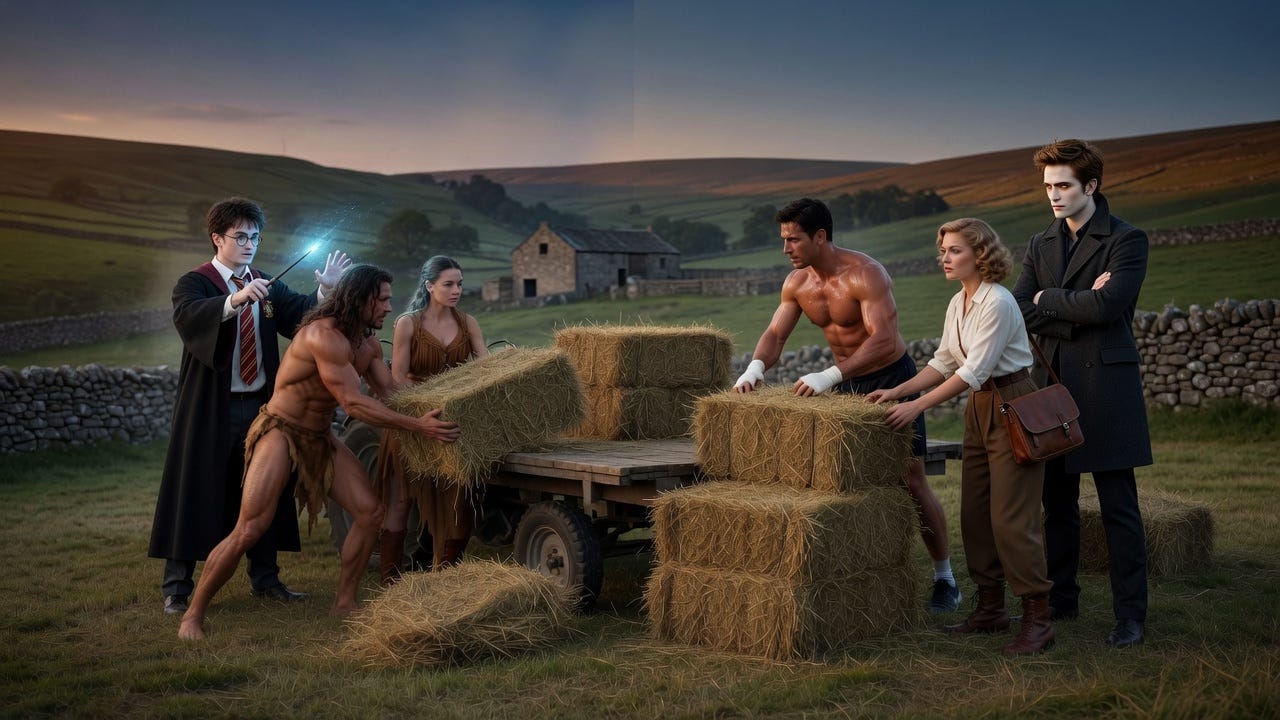
Reading is a foundation, and I am sitting on decades of reading.
I remember stories, snippets, and today, “search” is so effective that I sound brilliant because I can ask about a particular story. The machine tells me the name, the author, and the date of publication. It’s a well I draw on to craft my stories.
Writing is a skill, and how well I succeed, I leave that to you, dear reader, to judge…
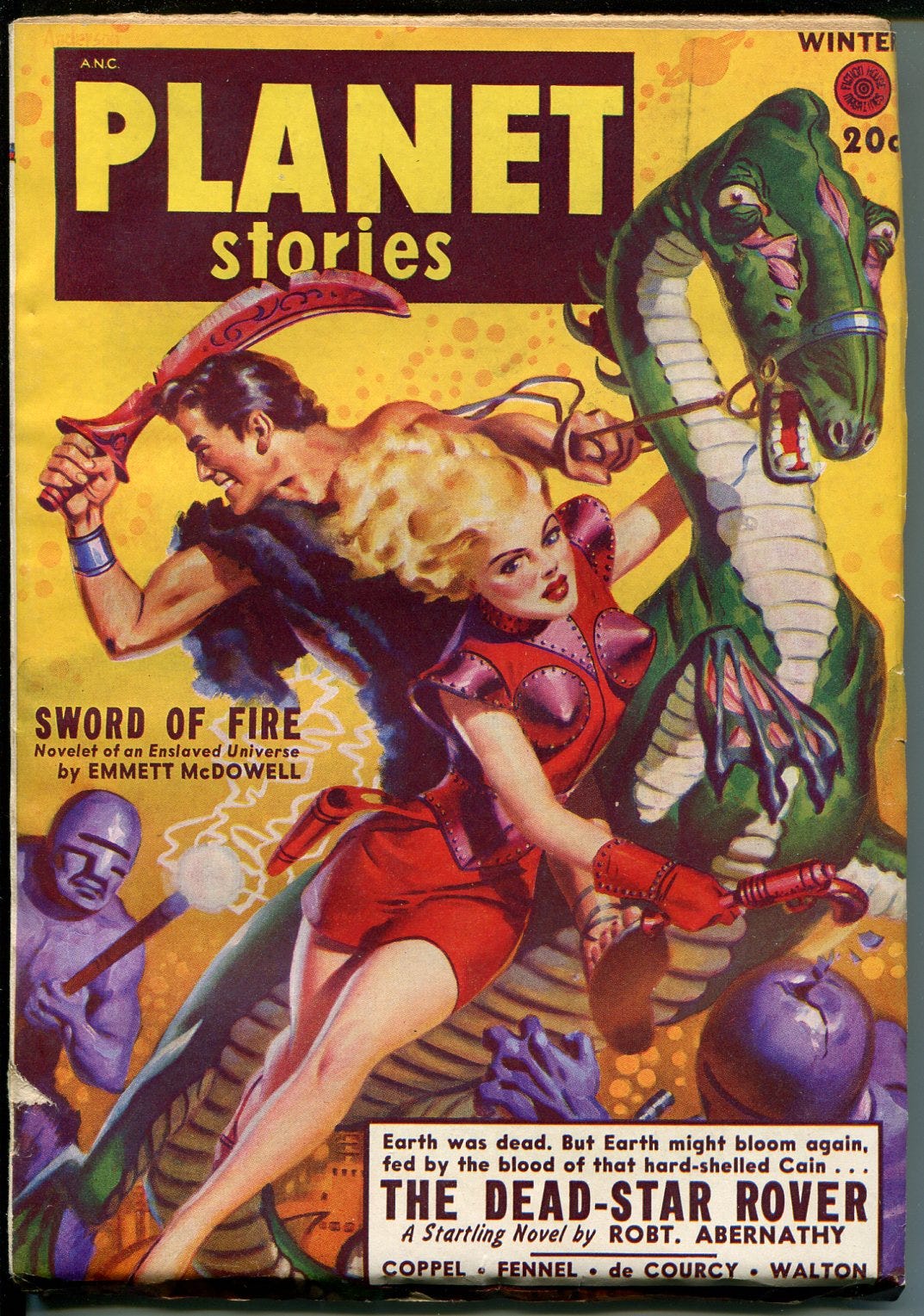
There’s no real wrong answer. Art is subjective, and your mileage may vary. We could even argue the toss between popular and critical acclaim, and whether I would like a Nobel Prize for Literature on my shelf or J.K. Rowling’s bank balance.
Not every band gets to be the Beatles or the Rolling Stones. Not every indy-author gets to be E.L. James. Others succeed in the sense that they gain critical acclaim, rather than criticism, winning awards and plaudits. However, they don’t get to be cultural phenomena: to be Rock and Roll, outside of their subgroups.
To be punk, to carve out my own niche, I can only do me. I wear many hats, both in a figurative and literal sense.
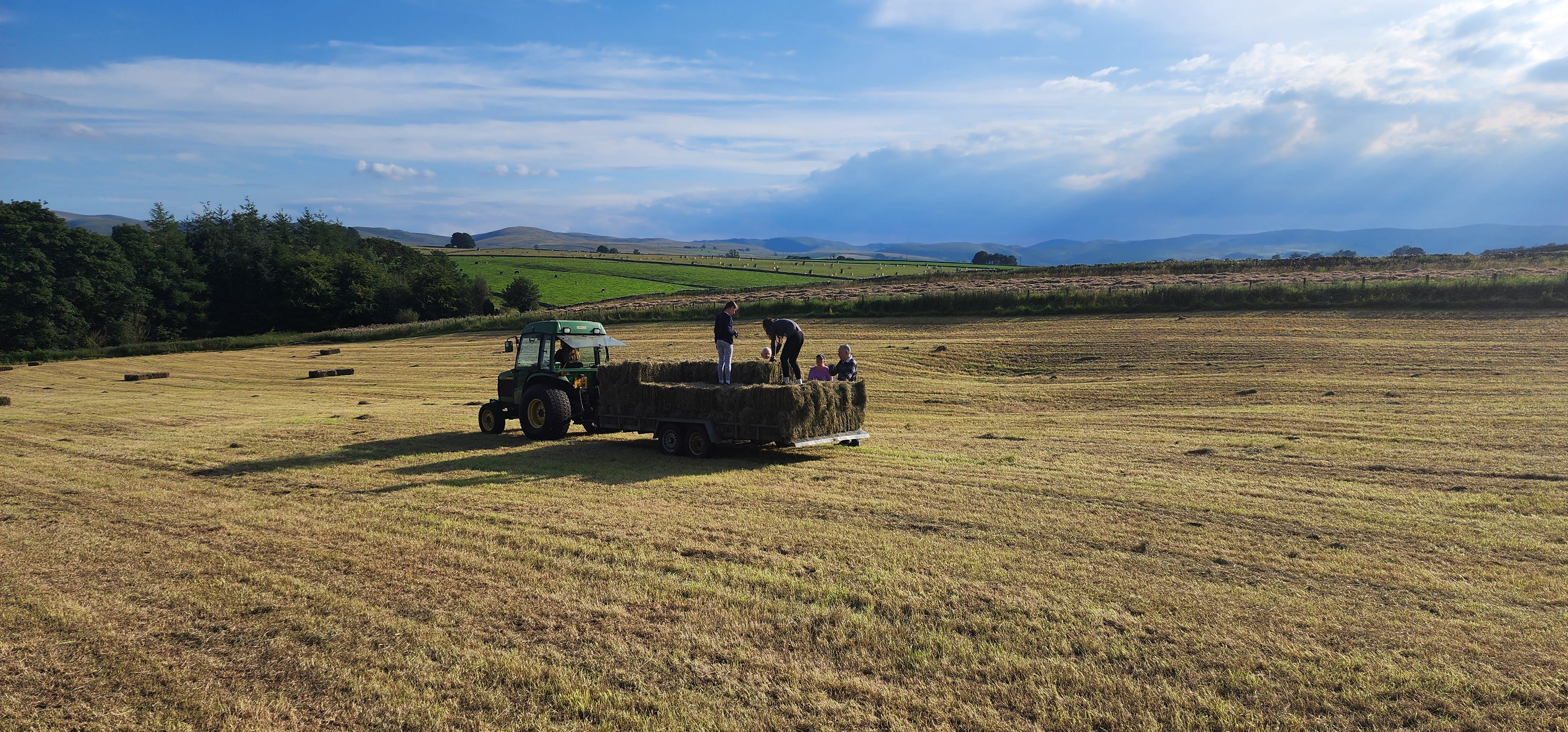
Last night the sun shined during the day, so I made hay.
Okay, my helper role came afterwards: “I picks up the bale, I puts it in the trailer, I takes it off the trailer and puts it in the stack.”
Words matter to a writer, and how I use them matters to the reader because they have to understand what I am saying.
King heard Maggie say, “Hello, King.”
He moved toward her, self-aware. A half-naked man, wet with perspiration, in gym shorts and shoes. Bunched strips of gauze in his hand, halfway through unstrapping his bound fists. “You picked a swell time to come calling, Maggie. I look like I spent the day buttoned up inside a Sherman in the Sahara.”
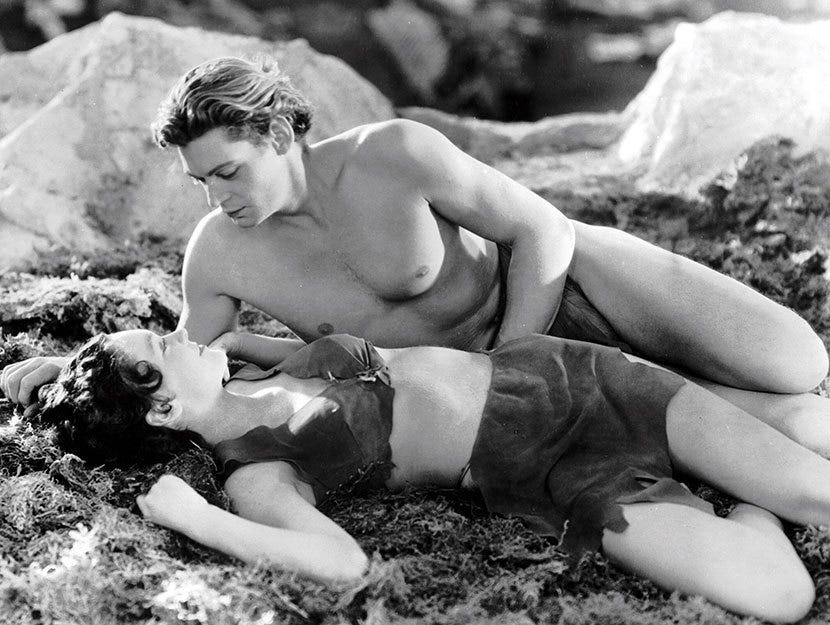
She laughed. “You look like a cut-rate Johnny Weissmuller.”
King reached out and found an outdoor table. “You mean the monkey?” He dropped the bandages, located a towel, and wiped sweat from his chin and chest. “Don’t tell me you’ve come dressed as Jane?”
Maggie gasped for effect. “You wish! Our censors almost banned that movie.”
He snorted a laugh. “Give me a minute to find a shirt.”
“It will keep.” She stepped closer. “I brought something.” Her leather bag thumped against her thigh.
This example works on several levels.
As a kid, I watched the British comedic film institution called the Carry On series. I laughed, not because I understood every double entendre—far from it, most went right over my head. The comedy played out in a slapstick visual way, with adult themes hidden beneath—a legacy of the Music Halls.
The reader doesn’t need to know everything about Johnny Weissmuller’s movie series; there’s enough there to deduce Tarzan. Even if you don’t know who the King of the Jungle is, the comedic frame is still present. Moreover, if you are a little more knowledgeable about classic Hollywood-era movies, then the edgy nature of the second film, Tarzan and His Mate, with Maureen O’Sullivan, peppers the scene.
Yesterday’s heat made working at dusk ’til dark the sensible option, and like King, I still looked like I’d “spent the day buttoned up inside a Sherman in the Sahara.”
I may say “I made hay yesterday,” but the strict truth is: I helped with the final, albeit important stage.
Marketing, as a word, is used in much the same way. Many would consider a newsletter like this one marketing and see my weekly ramblings as a means to sell you the finished work—e.g., King in the Dark.
Sales matter to an author, if only because they validate me as a storyteller. But I don’t write this newsletter to simply sell my books or promote others. Promotion is like my “haymaking when the sun shines”; it’s nearer the end, at “dusk ’til night”—it’s the pickup and into the barn stage of the story.
Growing the grass, mowing it, raking and rowing it, and baling it so it can be collected—that’s the narrative of hay.
This newsletter is about that growth—mathematics—the metric. It’s about my telling you how and why things happen, and it allows me to market, that is, get a sense of what you, dear reader, want to read. Feedback is key because what really matters is telling a story that fills a need in the reader’s soul.
I imagine you get some good story ideas out there while baling hay. I know mowing the yard works well for me. It has nothing to do with my stories (for the most part), but the imagination stirs when doing simple work. It's legendary stuff although it looks ordinary. Great post, CJ.
Very good