
Frillies Friday - Extra!
Going under the pants to get to bottom of it

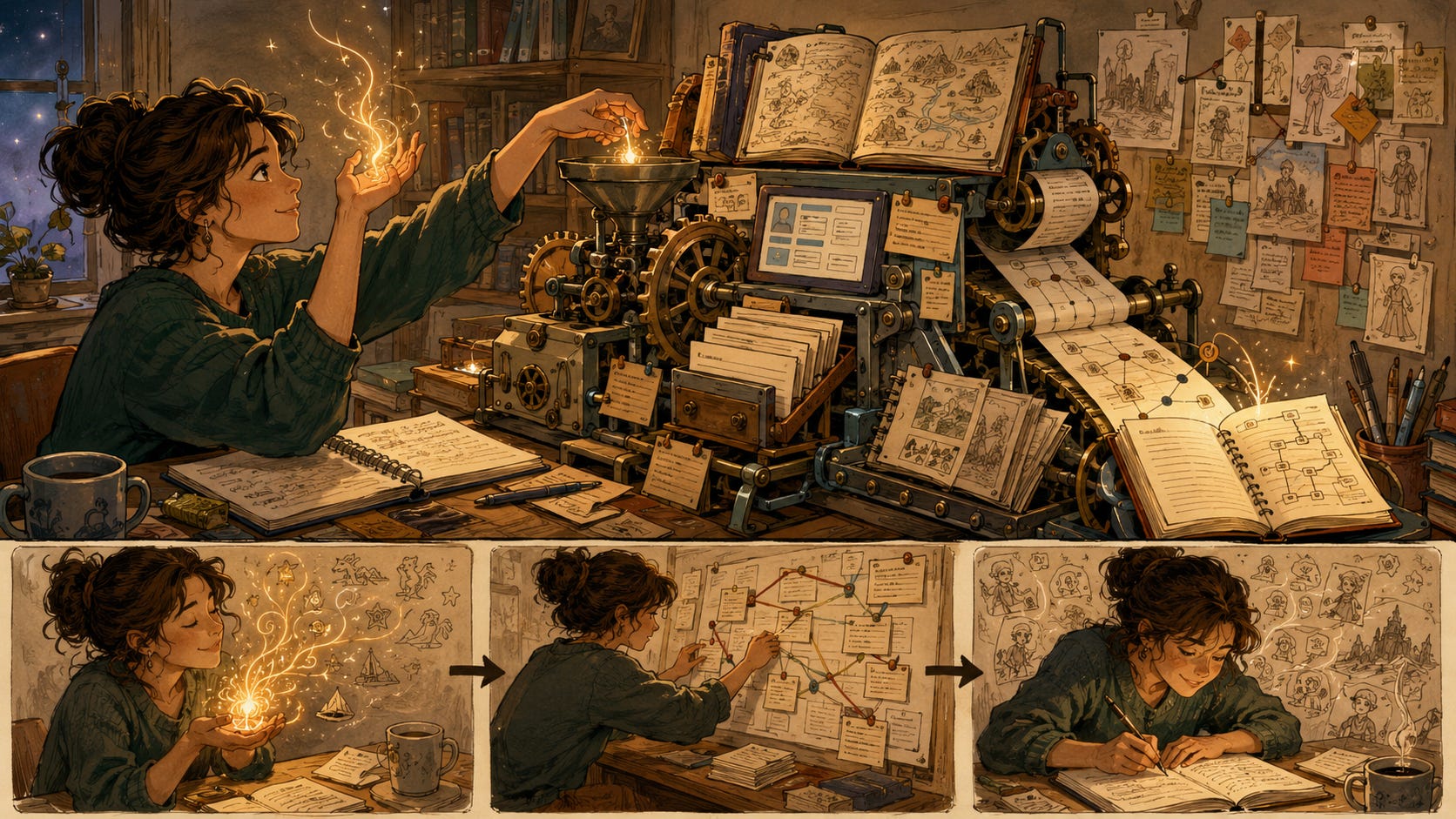
Pantser or Plotter?
Writers might describe themselves as pantsers or plotters. I’ve mused on this division before, but a recent and great article by a Substack friend got me thinking about this in a new, more joined-up way:
Plotter vs pantser: why I think they’re not exactly different (my hot take)
Jesse, in her article, puts it this way:
So, when someone asks: are you a pantser or a plotter?
I would think the real answer is “both”. Just at different points.
Research and/or Plotting?
For me, the question is twofold: how much plotting the story needs and how much external structure the writer needs.
The former is a function of the kind of story in play. A historical period story and a modern-day military thriller both demand research and plotting.
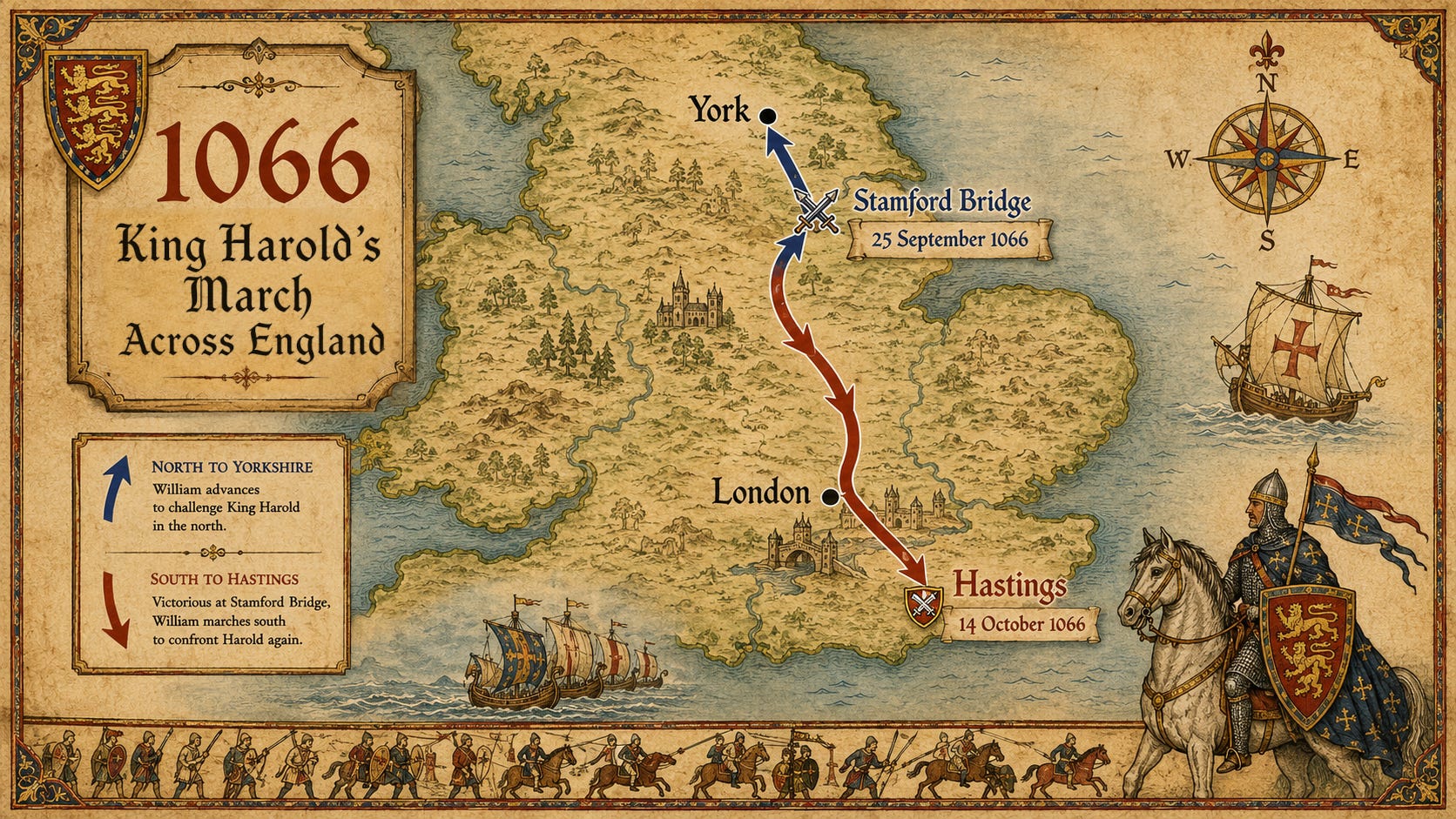
Research gives you the data points. Say you write about King Harold in 1066: the traditional account takes him north to Yorkshire and Stamford Bridge, then south again before he meets William the Bastard, not yet the Conqueror, at Hastings.
A story about Harold is going to fail without a plot, even if the plot is the bare bones—the research, day this, date that, place here, but not there, of England’s history and geography in 1066.
Flying by the Seat of Your Pants—in a Submarine
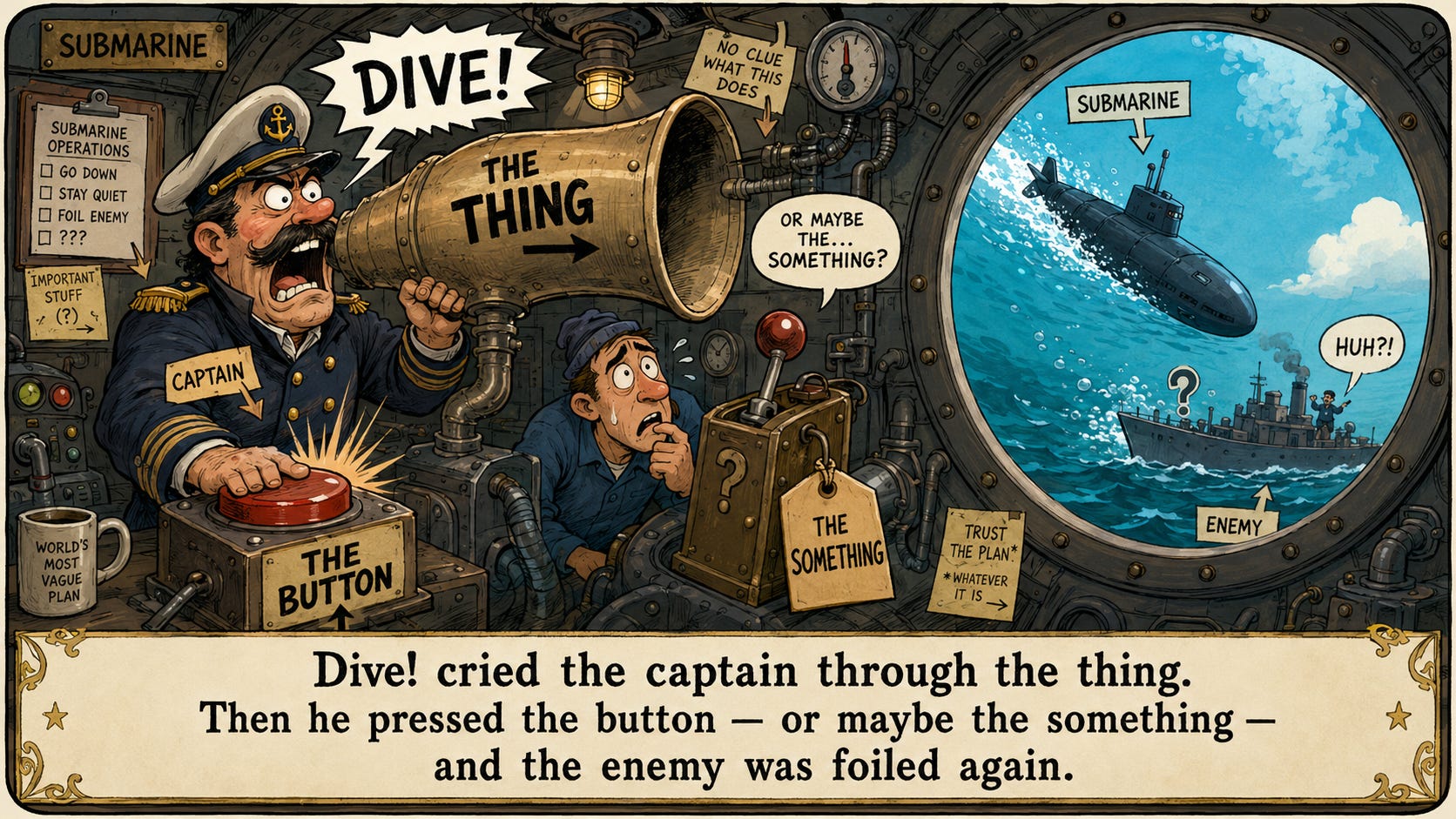
A humorous example is the scene from Throw Momma from the Train, where Billy Crystal’s character is teaching a creative-writing class, and a student reads her story about a submarine. Mrs Hazeltine, played by Annie Ross, avoids basic nautical terms. She reads:
"Dive, DIVE yelled the captain through the thing. So the captain pressed a button, or something, and it dove. And the enemy was foiled again!"
The comedy is absurd because it is clear Mrs Hazeltine doesn’t care about researching the details. She just pants her way through the story, concentrating on the bits she finds exciting.
Let’s get Venn
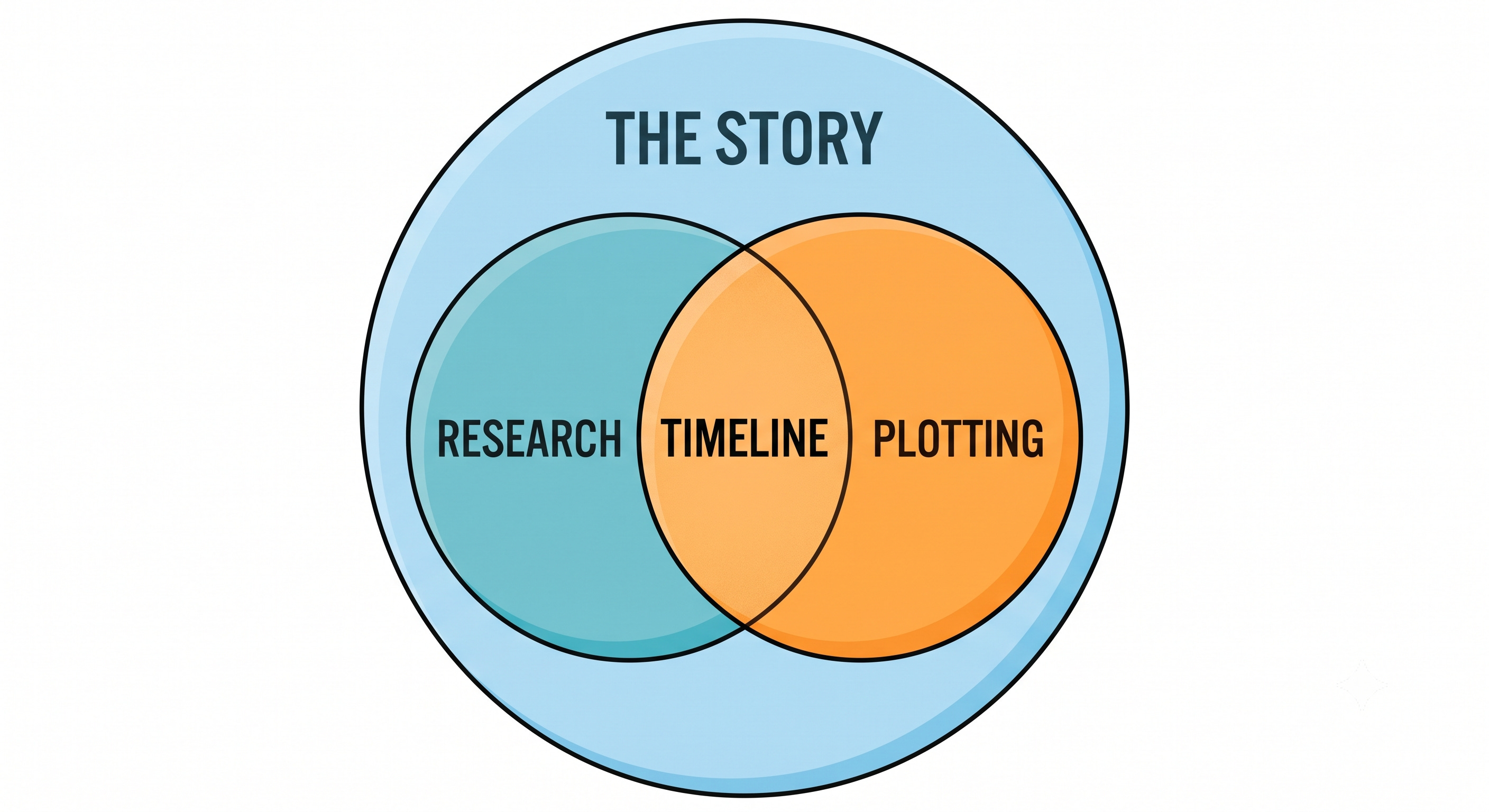
Research and plotting are different; a strict definition is that one deals with the best facts available, the other with making stuff up—fictional people and events.
In reality, for me, the two intersect as one in the timeline.
Nature or nurture?
Depending on the nature of the book, the extent to which the day-by-day events will be ordained by real events or be fictional will vary.
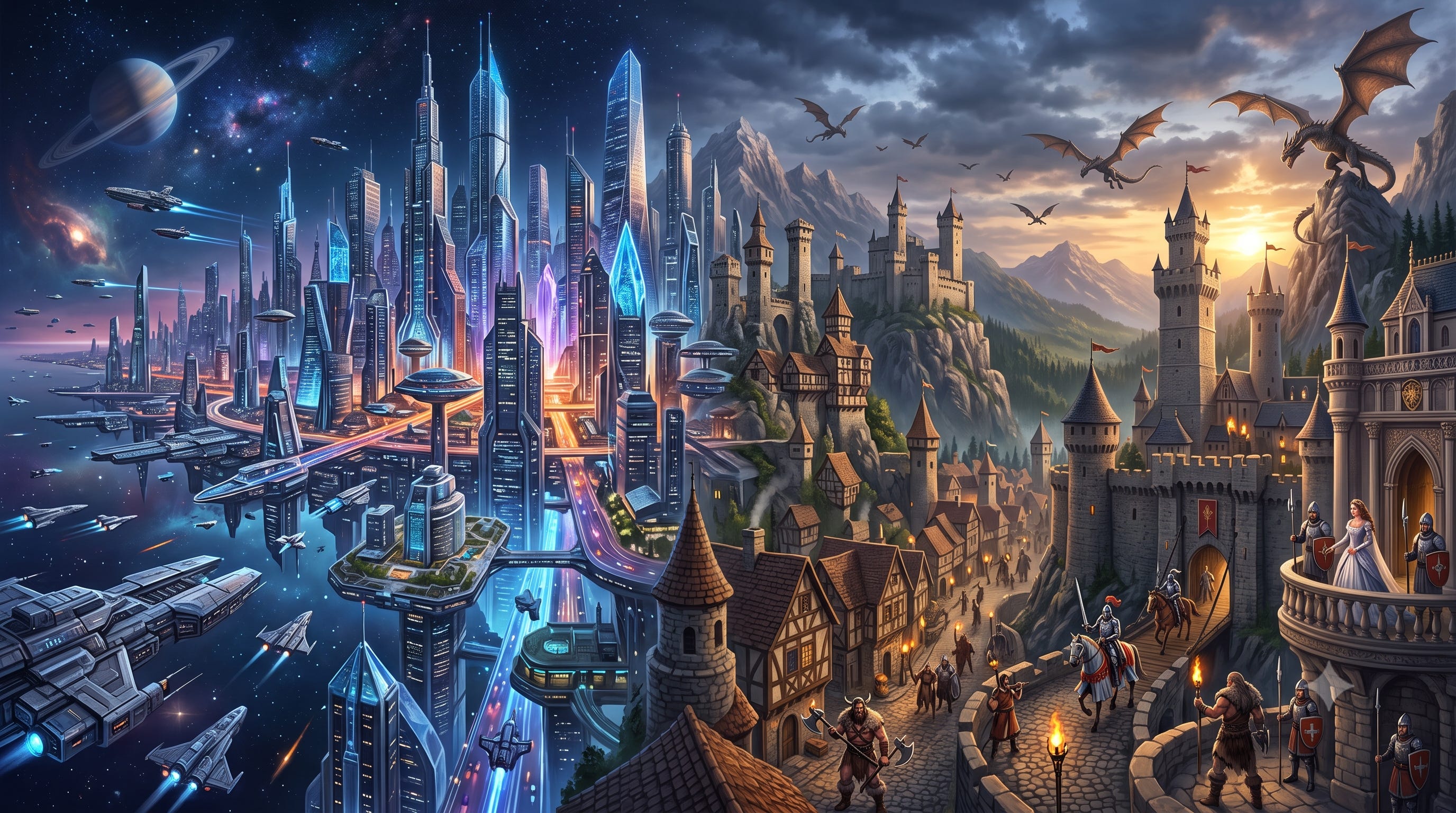
Fantasy in a fully imagined world, be that science fiction or sword and sorcery, has no hard-and-fast history, ancient or current, to adhere to.
I found this to be more work in my Chronicles of Erock stories because it means creating the history and making sure the story is true to it. Whereas if I use real events, ancient, modern or current, I can rely on what happened. Removing a huge chunk of making stuff up from my workload.
A story written in a version of the real world indistinguishable from now, in my hometown, I could, I think, pants that, since this almost real-world is immediate and in my head. This feels like a different ask, I find, from creating a full-on fantasy world or historical fiction where details of history and geography have to be established and adhered to.
Where the difference lies
Jesse’s observation “both. Just at different points” landed because it resonated with the road I have travelled. She saw the wood, while I saw the trees.
The real difference between authors, I suspect, lies in where the author holds this information: is it recorded in a notebook or an app, in their mind, or somewhere in between? I’m a plotter, then a pantser, most of the time, sometimes the other way around.
It takes me back to my second newsletter in May last year.
My thoughts became visual. They often do, and I pictured a bell curve.
The Bell Curve of Writing
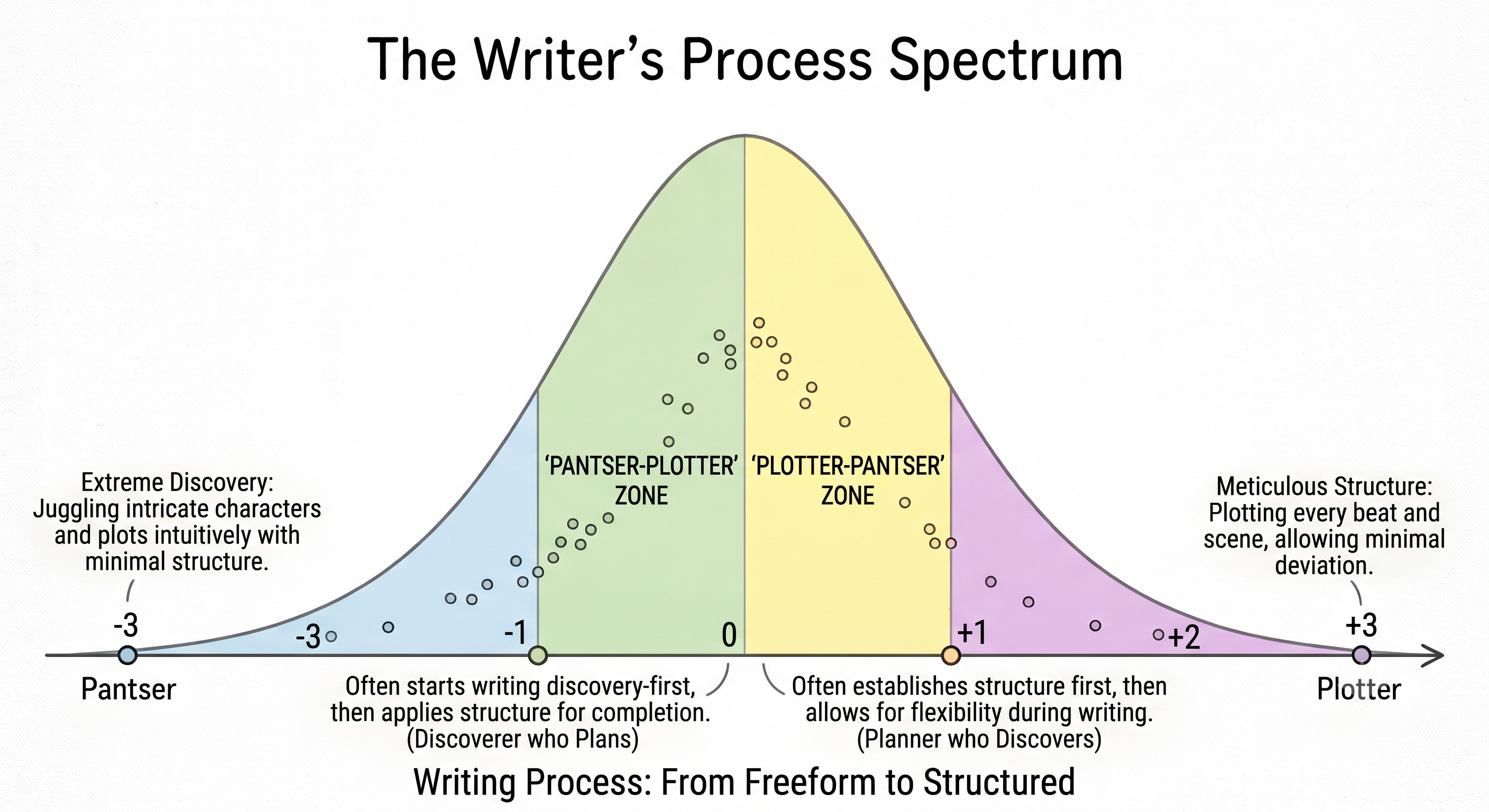
From Pantsing to Plotting
Why a bell curve?
Well, I am persuaded that, most of the time, a bell curve sums up the human experience; most of us, for most things, cluster in the middle. We might be exceptional in one way or another and move toward the tail.
That second newsletter speaks of projects now completed and of my first stab at writing a novel, which, after a couple of iterations, morphed into Dragons Unleashed.

Plotting
Not so long ago, this came as a surprise to me; if I could travel back in time and speak to my younger self, who enjoyed just sitting down and writing as a stream of consciousness, convinced of the rightness of this approach, young me would be surprised to discover his older self embracing plotting.
However, after writing Dragons Unleashed and attempting other stories, I realised that this seat-of-my-pants approach has limitations for me. With an idea for a story, I can churn out 20,000 to 30,000 words, but I’ve found that to write more, I need to plan and plot.
That experience didn’t turn me into a pure plotter. It made me a practical one.
The Outline Delivers the Surprise
As you see, I started as a pantser until my capacity to juggle failed me, and I became a plotter. Yet with my wonderfully complicated wiki-backed plot, I am still a pantser when the fingers hit the keys and words appear on the page.
I pants the spark, then plot the machinery, then pants again inside the outline.
Even with a solid outline, full of character and location sketches and a day-by-day breakdown of events, I still find plot holes, and fresh ideas press themselves into play.
Just over a year ago, I wrote.
At the same time, I’m still working on a vampire concept, a historical yet science-fiction novel. Here, the plotting is a mix of explanatory notes that support the story and the actual plot, the beat-by-beat outline, which describes the events. It will be interesting to write a prequel, or indeed prequels, to this story without first completing the principal novel, simply because of the wealth of backstory the concept requires.
That matters even more when a story grows sideways into prequels, sequels, and backstory.
Breaking Rules on Purpose
Now I’ve completed that prequel that broke the rules by starting with the hero’s birth.
Furthermore, thanks to another great article: In Defense of the Dream Sequence, S. E. Grosskopf prompted me to include a short dream sequence, perhaps more than one, in the sequel to the prequel… and that would be book one…
My Boy Jack — Prequel to The Chimera Cycle is being serialised here on Substack.
The first book, which is slated as Lost Boy Jack, is in editing.
Here, I use the dream sequence to reference events in the prequel.
This is pantsing because the idea isn’t plotted.
And this brings me to the chimera boys, because characters rarely sit at one fixed point either.
Characters on the Curve
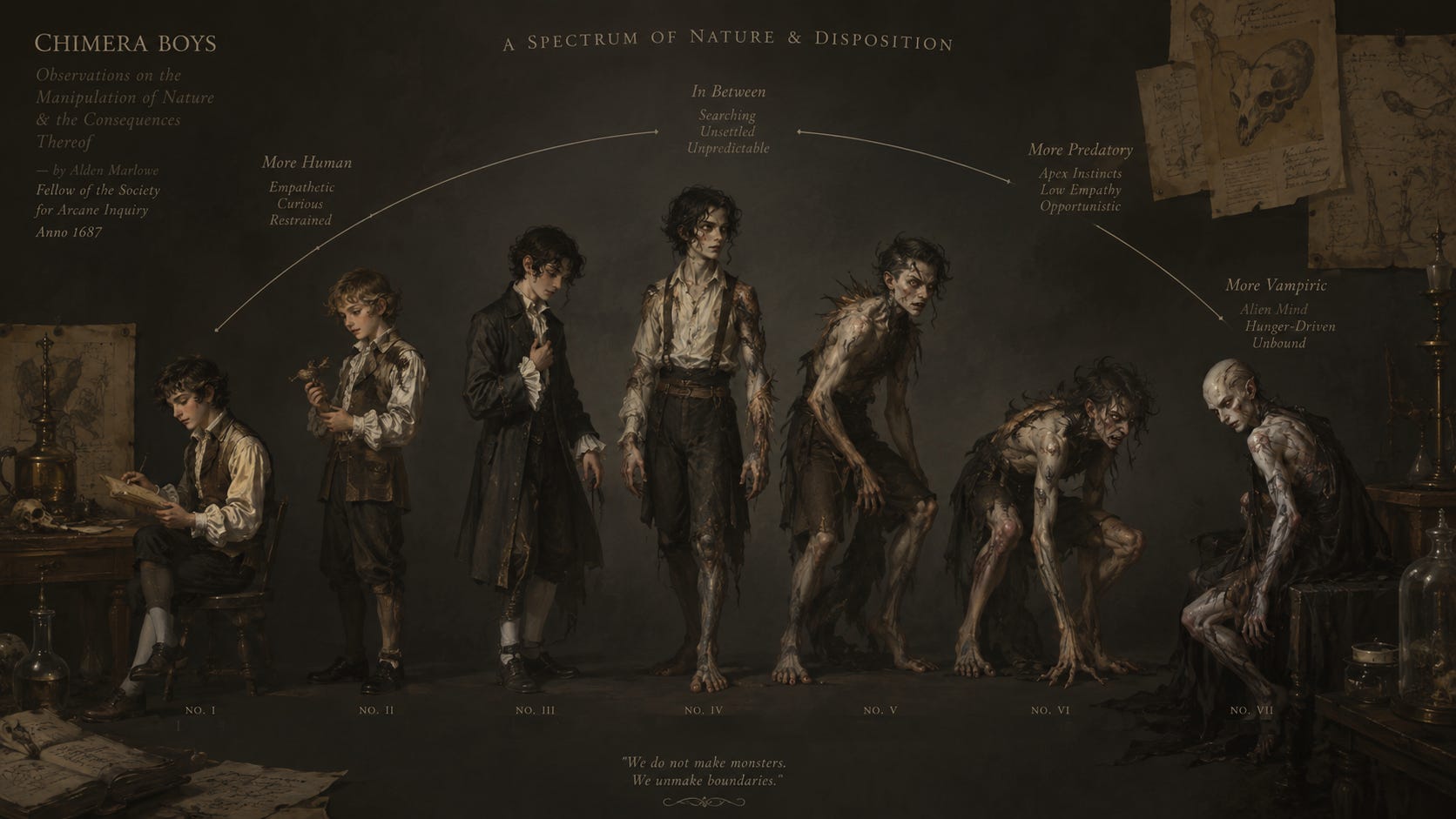
This brings me back to the bell curve. To research and plotting. To the chimera boys who feature in this first cycle of stories through to 1655.
They are neither men nor vampires. They are made by experimentation, more Frankenstein’s monster than Dracula, and yet I strive to make them different. In their traits and personality, I see them distributed on that curve. It could be as simple as which boy tends toward a predatory vampire nature and which one tends toward a more human one.
A writer shifts between instinct and structure. A character shifts too. In both cases, change drives the story.
The Adventure Changes the Hero
Characters within a story are fluid, and events change who they are—who is to know where these boys will land, not even me, because of that whole pantsing thing.
Just like a writer coming up with an idea, by the seat of their pants, maybe getting some words down on the page, either as prose or a plot outline. The process is like a story, which in turn is like life. To echo my last newsletter and David Bowie again, it changes
Some folks will be strict plotters; others are so adept at juggling ideas that it all happens inside their heads, even epic worldbuilding fantasy—without the need for notes of any kind.
Life is full of changes, and who we are and who we become is our personal adventure. As the writing maxim goes, everyone is the hero of their own story.
I've been having fun experimenting with extreme pantser where I don't even have control over the plot line and I have to write according to what others suggest 😅 it's been a growth process for a middle-line gal.
I love that this article expanded more on where the difference lies while giving examples and visuals😁. Writers shouldn't be put in a box labeled as plotter or pantser. We may prefer structure or discovery but we can always change our mind. Great article.